Artemis Bodrum · Jul 10, 2026 · 3 min read · History & Culture
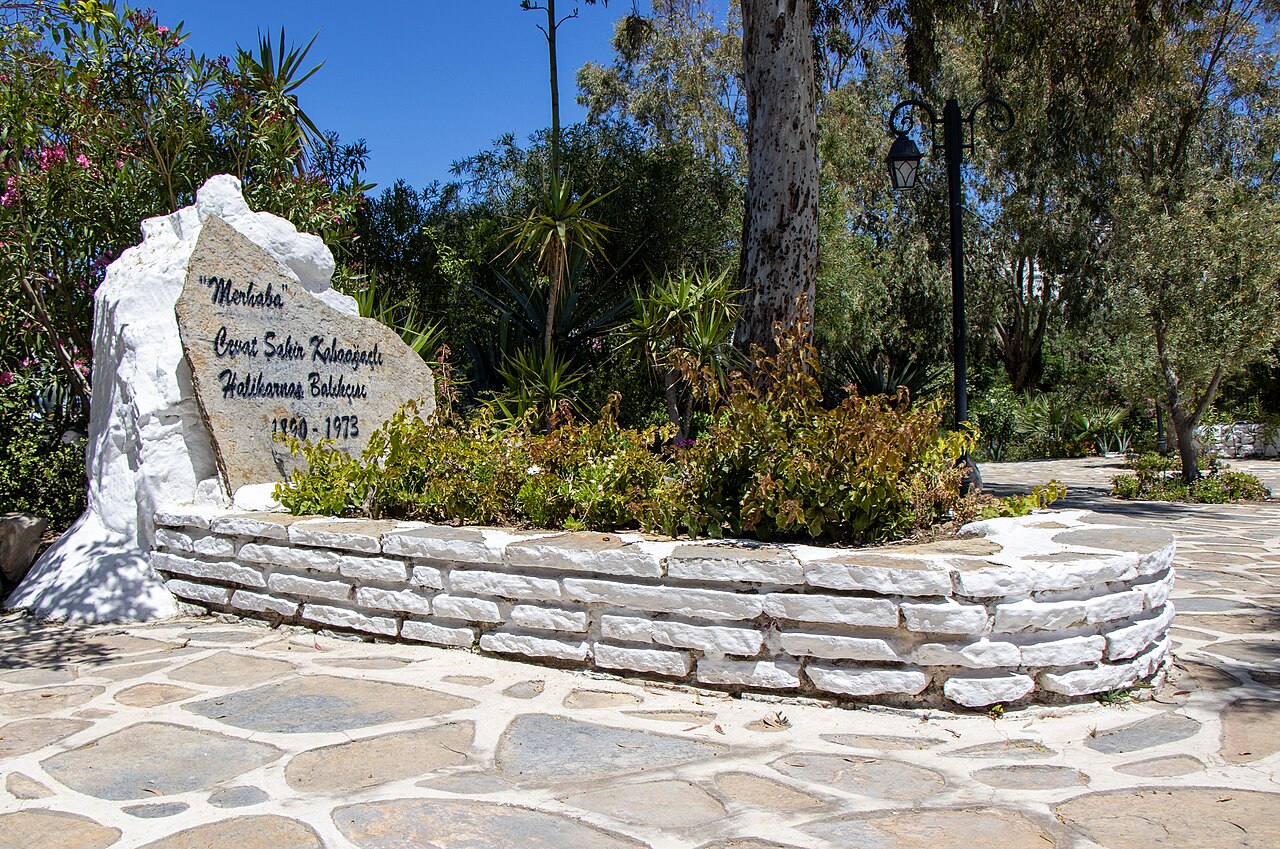
Behind Bodrum's transformation from a remote little town into a world-famous holiday destination stands a single name: Cevat Şakir Kabaağaçlı — better known as Halikarnas Balıkçısı, the Fisherman of Halicarnassus. He took his pen name from Halikarnassos, the ancient name of Bodrum.
One Article, Three Years of Exile
On 13 April 1925 an article appeared under the pen name "Hüseyin Kenan": "How Those Condemned to Death in Prison Walk Knowingly to the Gallows". The man behind it was Cevat Şakir. The Istanbul Independence Tribunal tried him for "incitement to military rebellion" and sentenced him to three years of exile in Bodrum.
In those years Bodrum was, for most people, a hard-to-reach town on the edge of the map; that is precisely why the sentence was considered severe. For Cevat Şakir, it turned out to be the opposite.
From the Şakir Paşa Family to the Fisherman of Bodrum
He was born in Crete on 17 April 1890. His father was the diplomat Mehmed Şakir Paşa and his uncle Ahmed Cevad Paşa, grand vizier during the reign of Abdülhamid II. His sisters were the painter Fahrünnisa and the engraver Aliye — a family that entered Turkish art history as the "Şakir Paşa family".
He studied history at the University of Oxford. What he really wanted was a life at sea; it did not happen. Years later, in the town to which he had been exiled, he built that life with his own hands: in Bodrum he fished, wrote and guided the visitors who came.
When his term of exile ended, he did not leave. He lived in Bodrum for roughly 25 years.
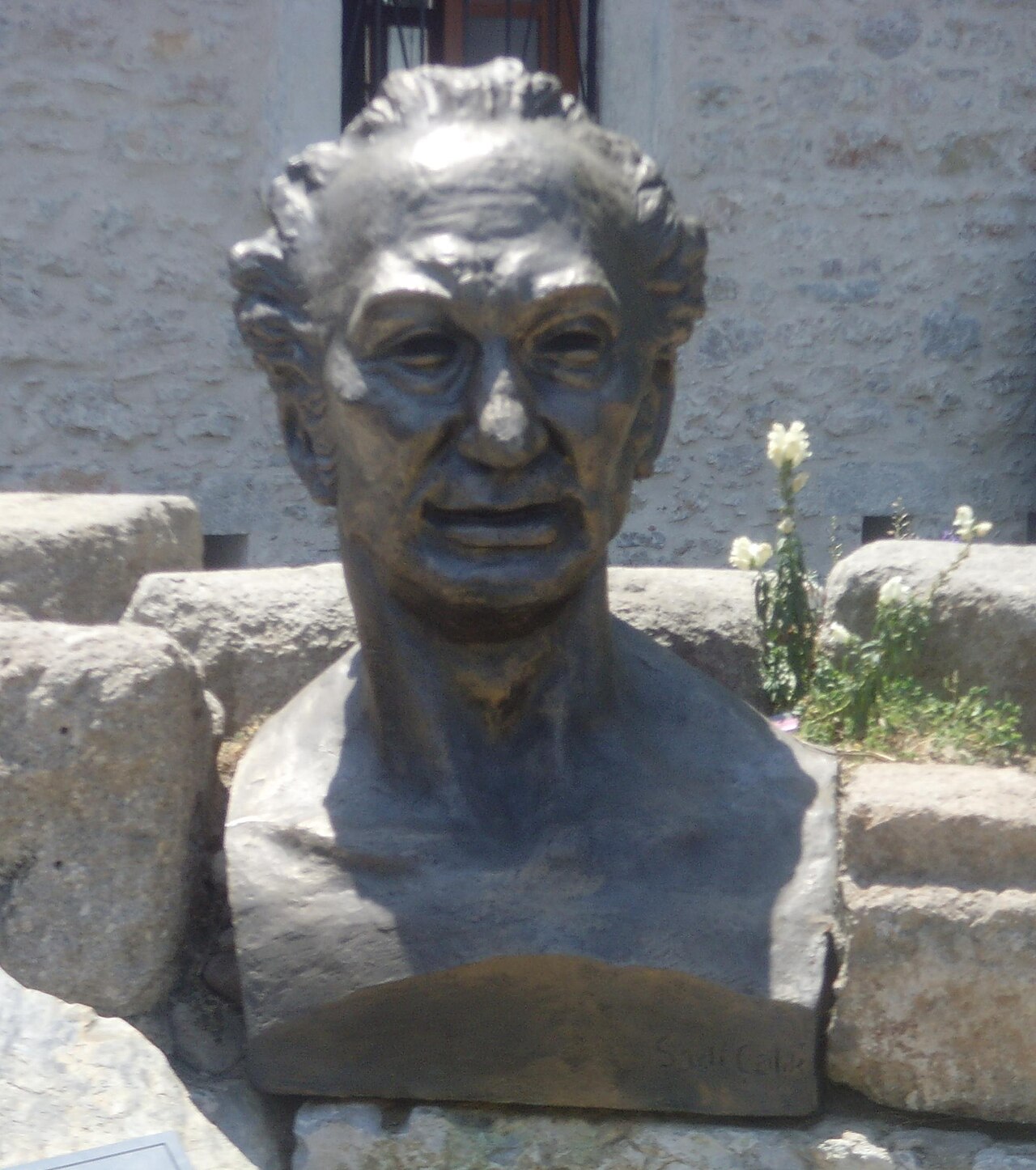
The Birth of the "Blue Voyage"
The Blue Voyage, today a tourism concept known around the world, grew out of a simple habit of his and his friends': a boat, a few provisions and a course set for the coves of the Aegean. In time these journeys became the way Bodrum — and the whole Aegean coast — was described to the world.
1971: The State Culture Award
Through his novels, stories and essays he wrote about the Aegean all his life. In 1971 he was honoured with the Ministry of Culture's State Culture Award.
"Merhaba"
He died of bone cancer in İzmir on 13 October 1973. In accordance with his will he was buried in Bodrum — the town he had come to as an exile and then never left.
A single word is written on his gravestone: "Merhaba" — hello. Not a farewell, but a greeting.
Following His Traces in Bodrum
When you come to Bodrum you can find him in a few places: his bust in town and his grave. But the legacy he truly left is not in stone, it is at sea: step onto a boat and head out to the coves, and you will see exactly the Bodrum he described.
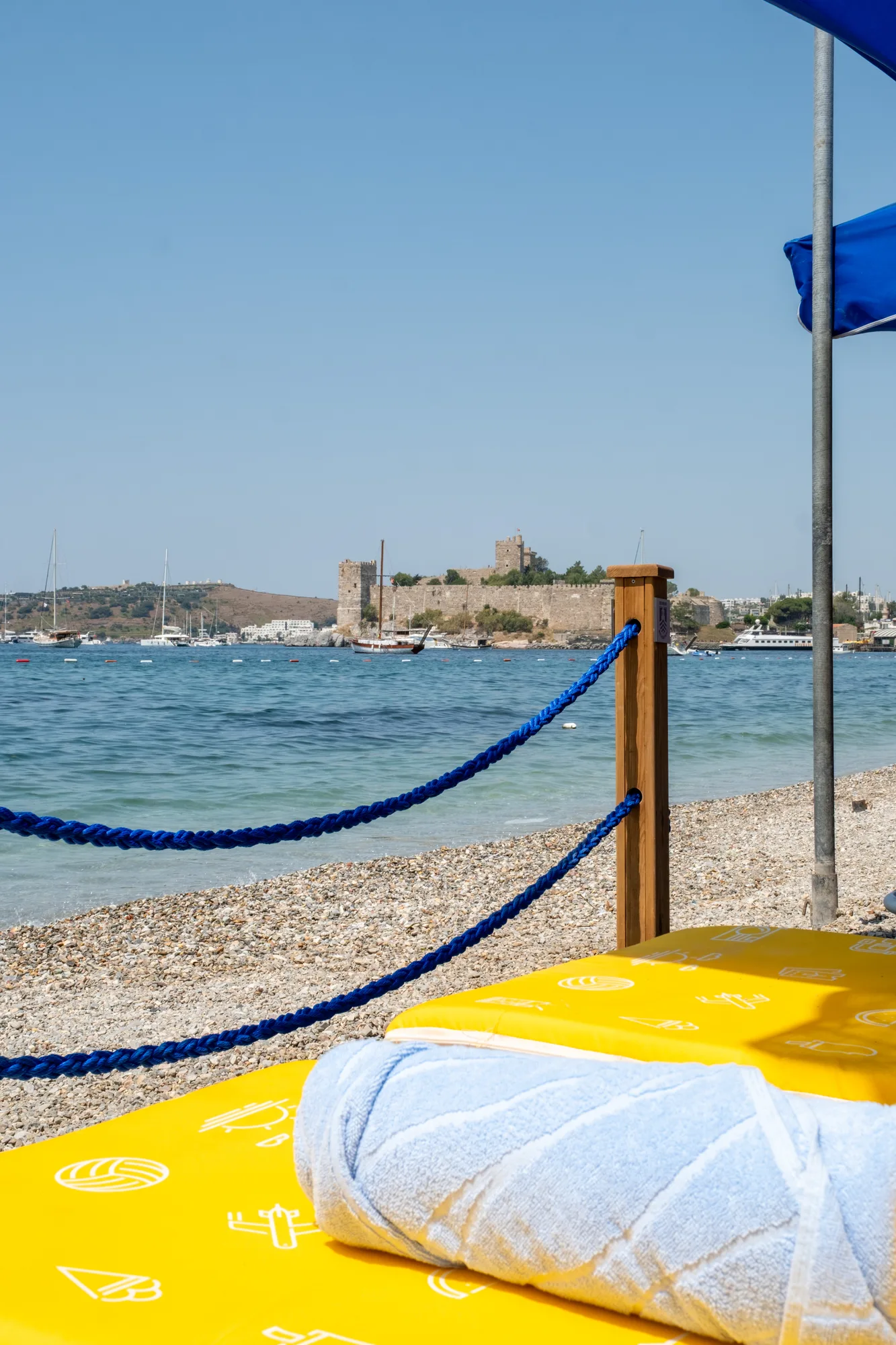
Bodrum Kalesi, the Halikarnas Mozolesi and the Myndos Kapısı are all within walking distance of our hotel, while the Blue Voyage boats depart from Bodrum Marina.
 Artemis Bodrum