Artemis Bodrum · Jul 13, 2026 · 2 min read · History & Culture
Bodrum, the town we know today for its deep blue coves, whitewashed houses and lively marina, in fact rises upon three thousand years of unbroken history. In antiquity these lands were known as Halikarnassos, and the city was one of the most brilliant of its age.
The Leleges and the Carian Civilization
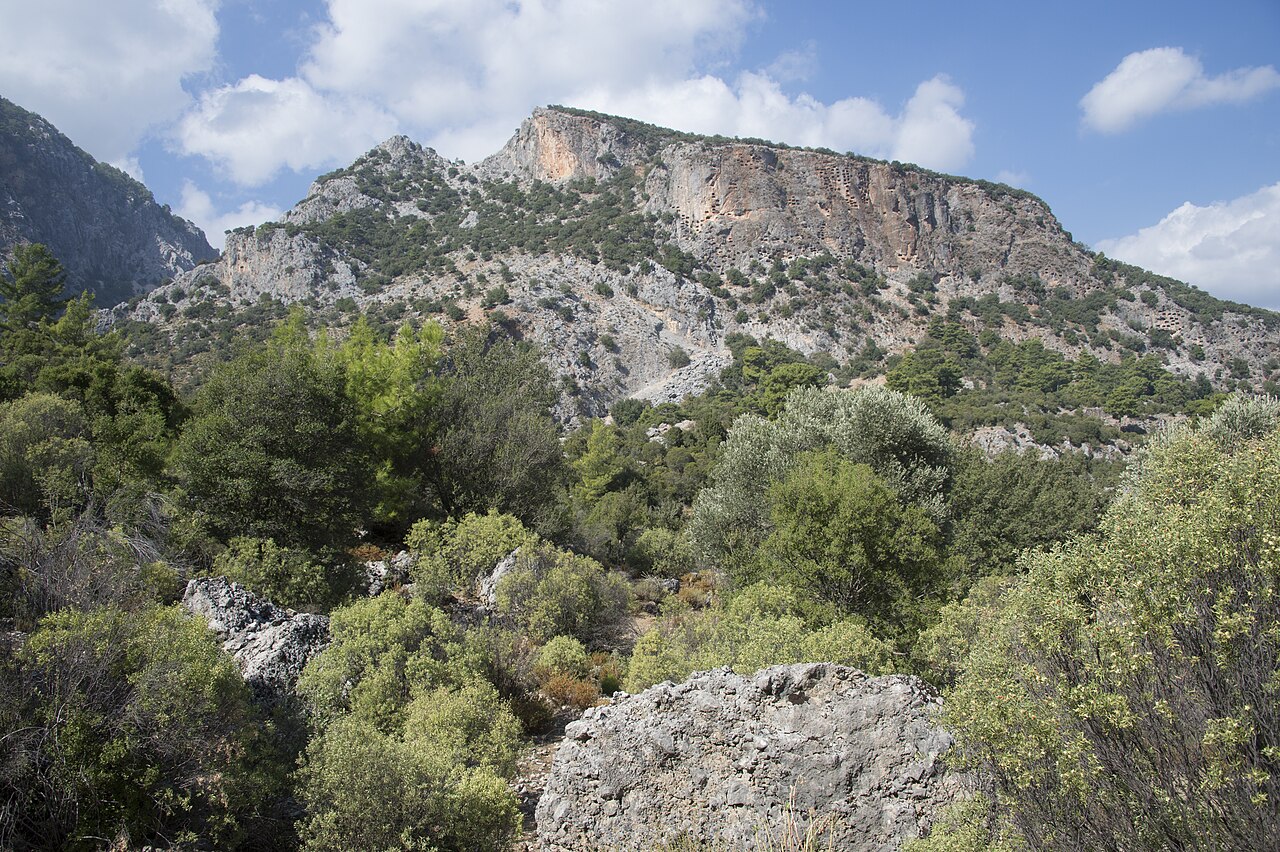
The earliest known inhabitants of the peninsula were the Leleges, one of the ancient peoples of Anatolia. The remains of walls and the tumuli still visible on the hills of Bodrum today (such as those at Pedasa) carry the traces of this early period. In time, the region became the heart of the Carian civilization, whose capital was Halikarnassos.
King Mausolos and the Seven Wonders of the Ancient World
The city's golden age came in the 4th century BC, during the reign of the Carian satrap Mausolos. After his death, his wife and sister Artemisia had a funerary monument raised in his memory so magnificent that it was counted among the Seven Wonders of the Ancient World. The word "mausoleum", used all over the world today, comes from the name of this very King Mausolos.
Herodotos, the Father of History
Halikarnassos went down in history not only for its magnificent buildings, but also for the figures it raised. Herodotos, remembered as the "father of history", was born in this city in the 5th century BC; his Histories is regarded as the first systematic work of history in human history.
The Knights and Bodrum Castle
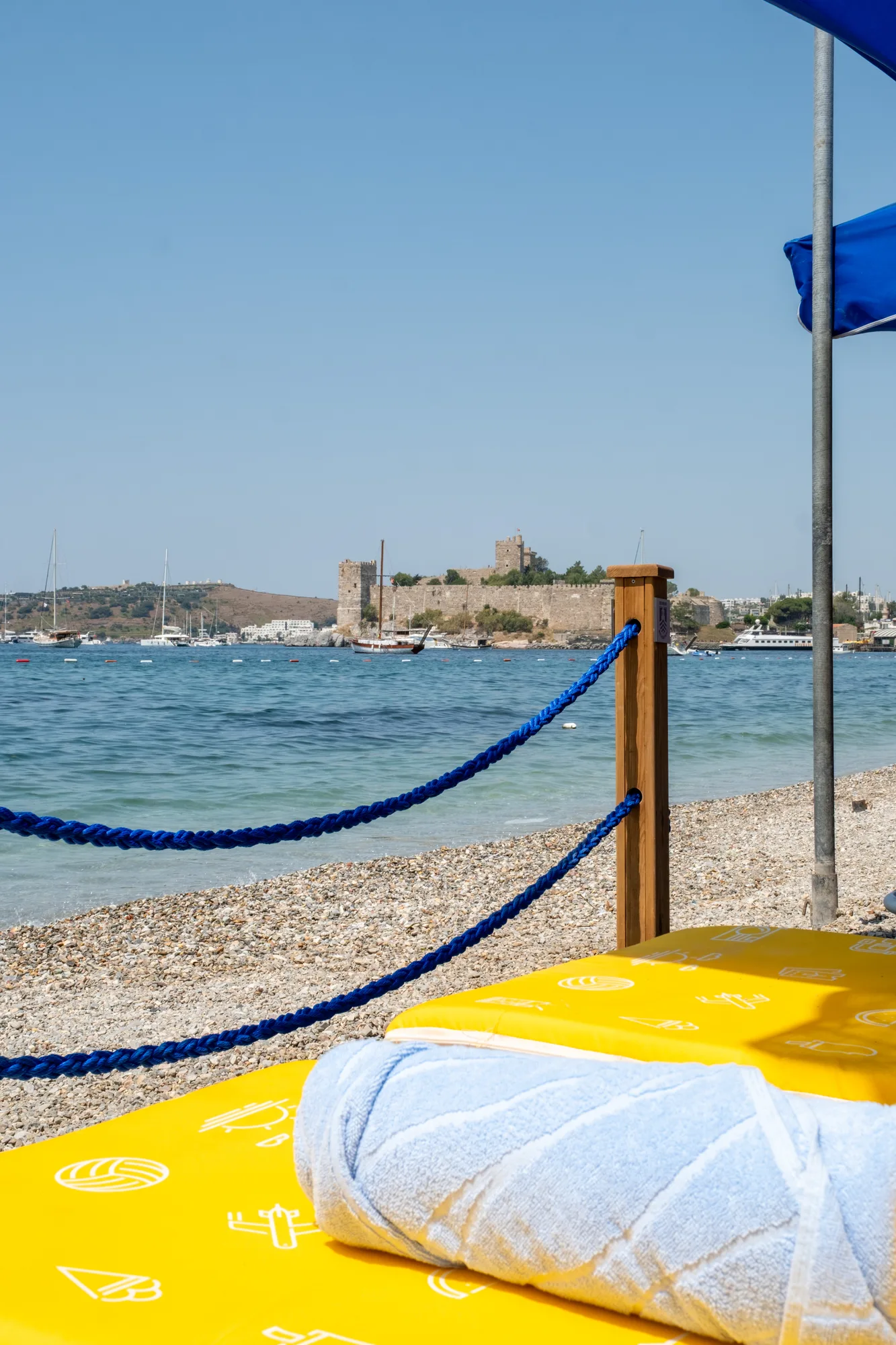
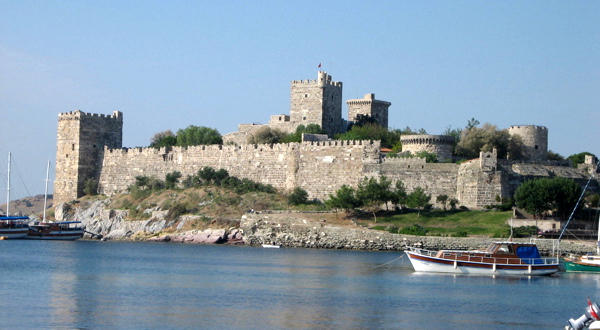
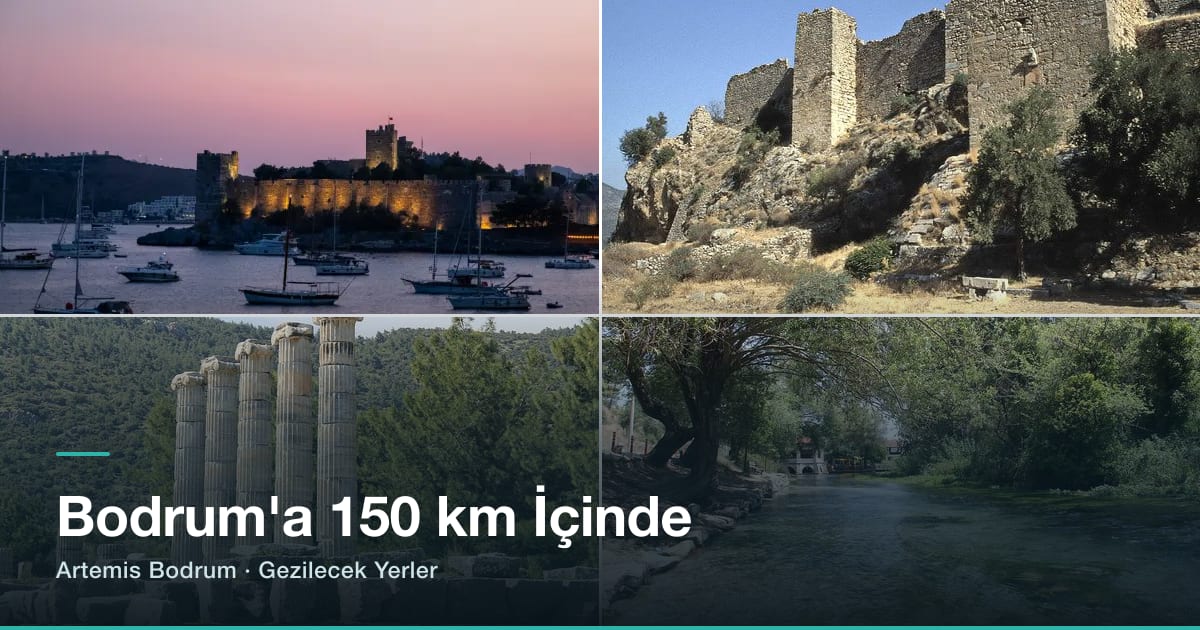
After the Roman and Byzantine periods, the Rhodes-based Knights of St. John arrived in the city in the 15th century. Using the stones of the ruined Mausoleum, they built the Castle of St. Peter (Petronium) on a peninsula commanding the harbour. The town's present-day name, "Bodrum", derives from this name. The castle passed under Ottoman rule in 1522.
A Holiday Paradise Born of Exile
Bodrum was a quiet fishing town in the first half of the 20th century, and the name that changed its fate was the writer Cevat Şakir Kabaağaçlı, exiled here — that is, the "Halikarnas Balıkçısı" (the Fisherman of Halicarnassus). Having fallen in love with Bodrum, the writer introduced the town's beauty to the whole country through his works, and gave birth to the concept of the "Blue Voyage". From the 1960s onwards, Bodrum became one of Turkey's most sought-after holiday destinations.
When you stay at Artemis Bodrum today, you are part of far more than a holiday: wherever you set foot, you can feel the breath of a three-thousand-year-old civilization.
 Artemis Bodrum