Artemis Bodrum · Jul 16, 2026 · 5 min read · Travel Guide
The 250-kilometre arc is where the character of the map around Bodrum changes. Until now we were in Caria and Ionia; with this ring Lycia begins — the country of tombs cut into cliffs, steep valleys and one of the most photographed lagoons in the world. The total inside the arc is now 67 places, of which 11 are new in this ring.
Let us be plain: this band is not a day trip. Driving out to the Fethiye side and back to Bodrum the same evening is technically possible, but it kills the trip itself. The routes below assume you stay a night.
Where are we in the series?
This is the sixth ring of our distance-band series. Everything up to 200 km was covered in detail in the previous article: the UNESCO World Heritage Sites of Efes, Afrodisias and Pamukkale; plus Nysa, the Dalyan–Köyceğiz delta, Marmaris and Datça. We are not repeating them here — Places to Visit Within 200 km of Bodrum covers that whole ring with cards. For the closer bands, see the 150 km, 100 km, 50 km and peninsula articles.
The new ring: what lies between 200 and 250 km?
The Gulf of Fethiye and Ölüdeniz
Fethiye is the heart of this ring. Göcek & the Twelve Islands (210 km) has been kept from concrete by protection orders; with islands scattered across the gulf and hidden coves, it counts as the starting point of the classic blue cruise. The Fethiye rock tombs (220 km) are Lycian royal tombs cut like temple façades into the cliffs above town; the best known is the Tomb of Amyntas, and the climb is far more pleasant in the cool of late afternoon.
Kayaköy (220 km) leaves a different feeling: hundreds of abandoned stone houses covering an entire hillside — a silent witness to the population exchange. It is not a “pretty” sight in the touristic sense; it is heavy and thought-provoking. Ölüdeniz (the Blue Lagoon) (230 km) is the most photographed piece of coast in Türkiye, and Babadağ (230 km) rising behind it, at 1,969 metres, is one of the world’s best paragliding launch points, with viewing terraces reached by cable car.
Two quieter spots: Butterfly Valley (235 km) can only be reached by boat or by a demanding footpath — do not take the path lightly, it is steep and has rope-assisted sections. Kabak Bay (240 km) is the favourite stop on the Lycian Way and one of the last strongholds of off-grid camping culture.
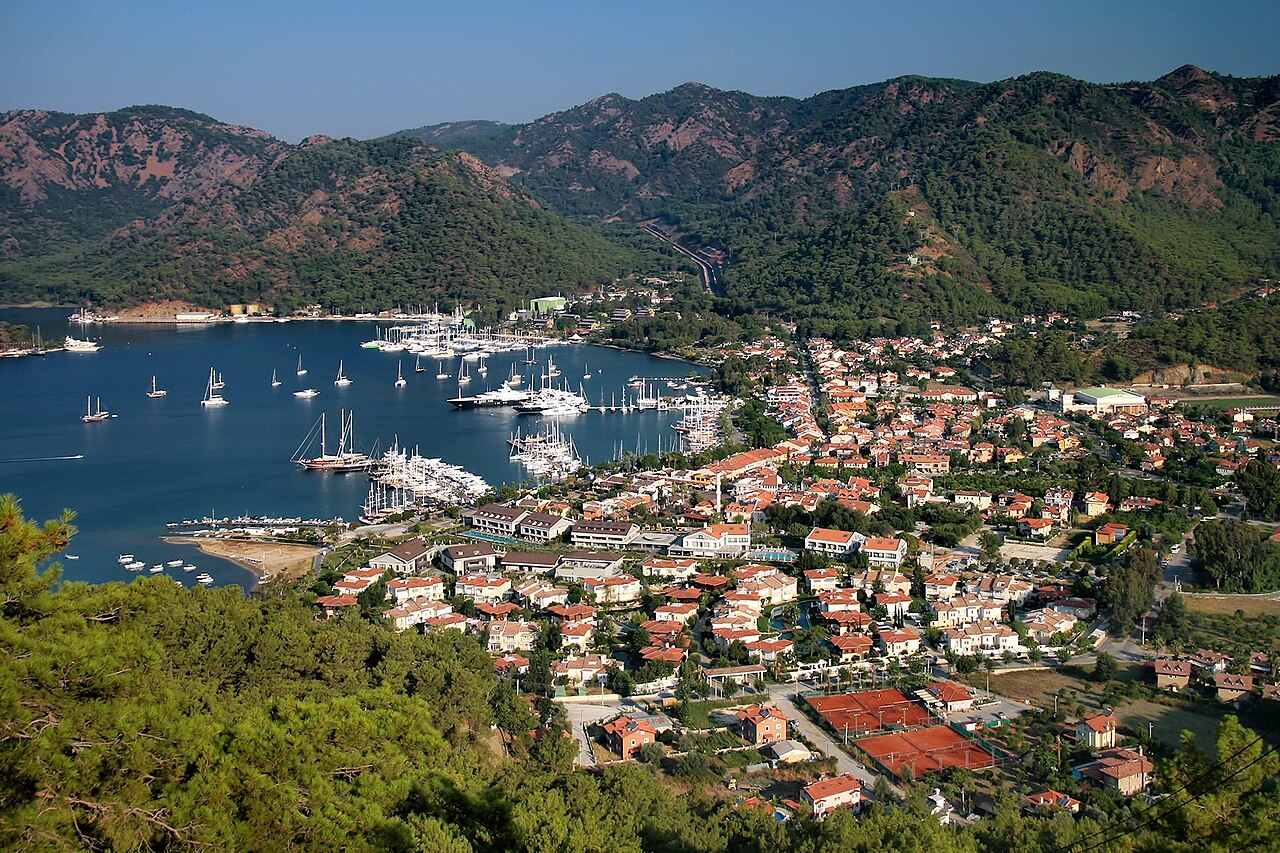
Göcek & the 12 Islands
An elegant marina town spared from concrete by protection — twelve islands scattered in the gulf and hidden coves make it the heart of the blue cruise.
Details →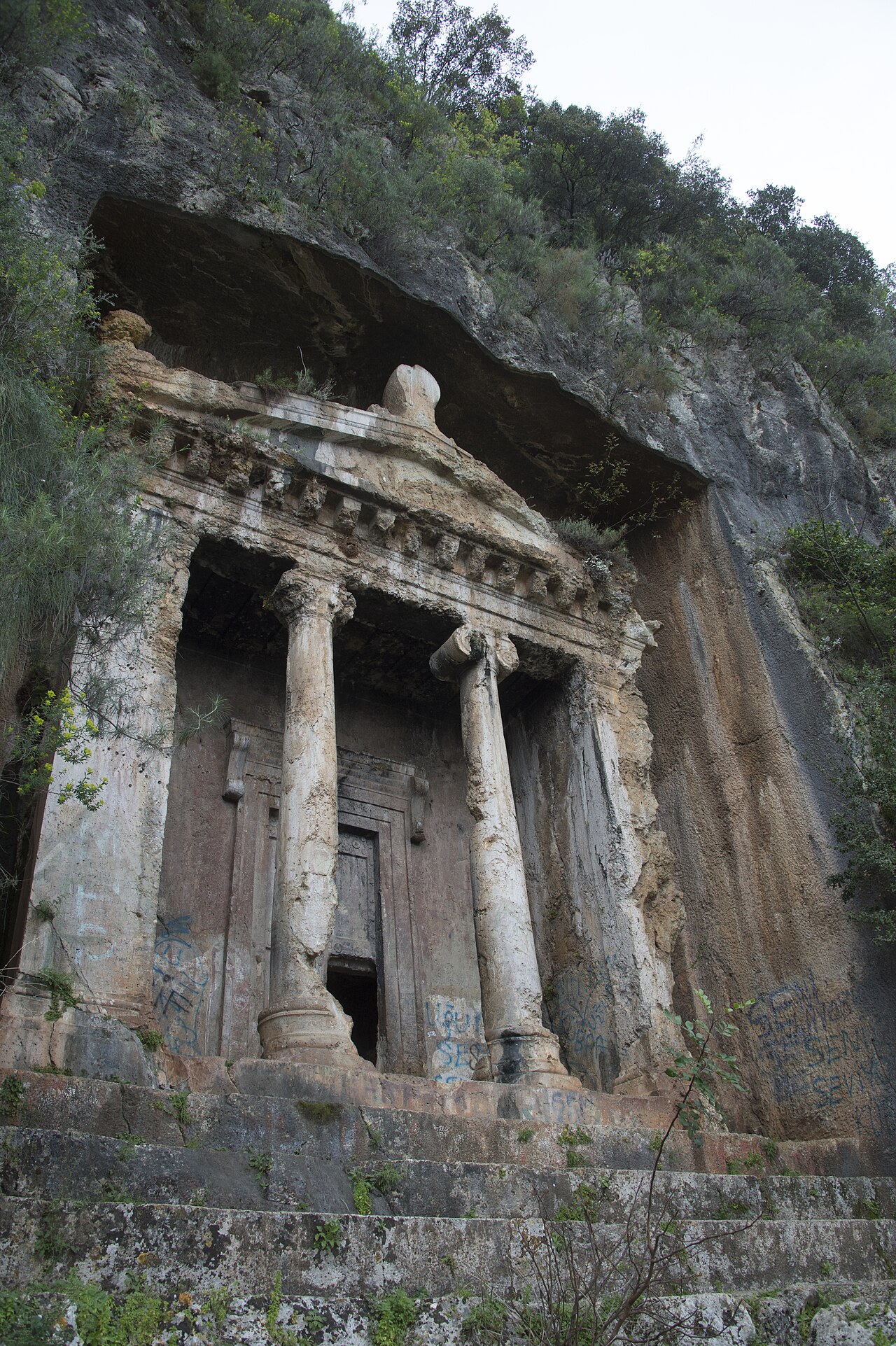
Fethiye Rock Tombs (Amyntas)
Lycian royal tombs carved like temple façades into the cliffs above Fethiye — a magnificent monument to eternity overlooking the town and gulf.
Details →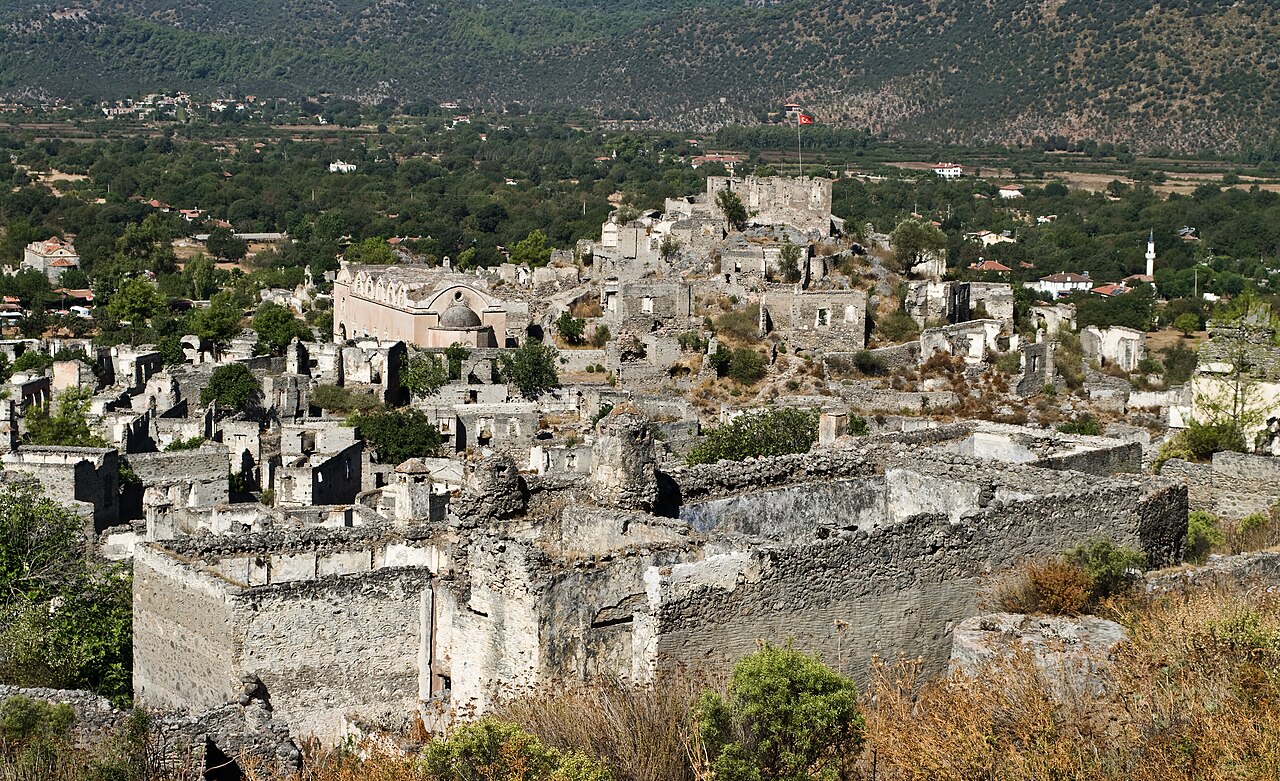
Kayaköy (Ghost Village)
Hundreds of abandoned stone houses cloaking an entire hillside — a silent witness to a shared past, Turkey’s most haunting ghost village.
Details →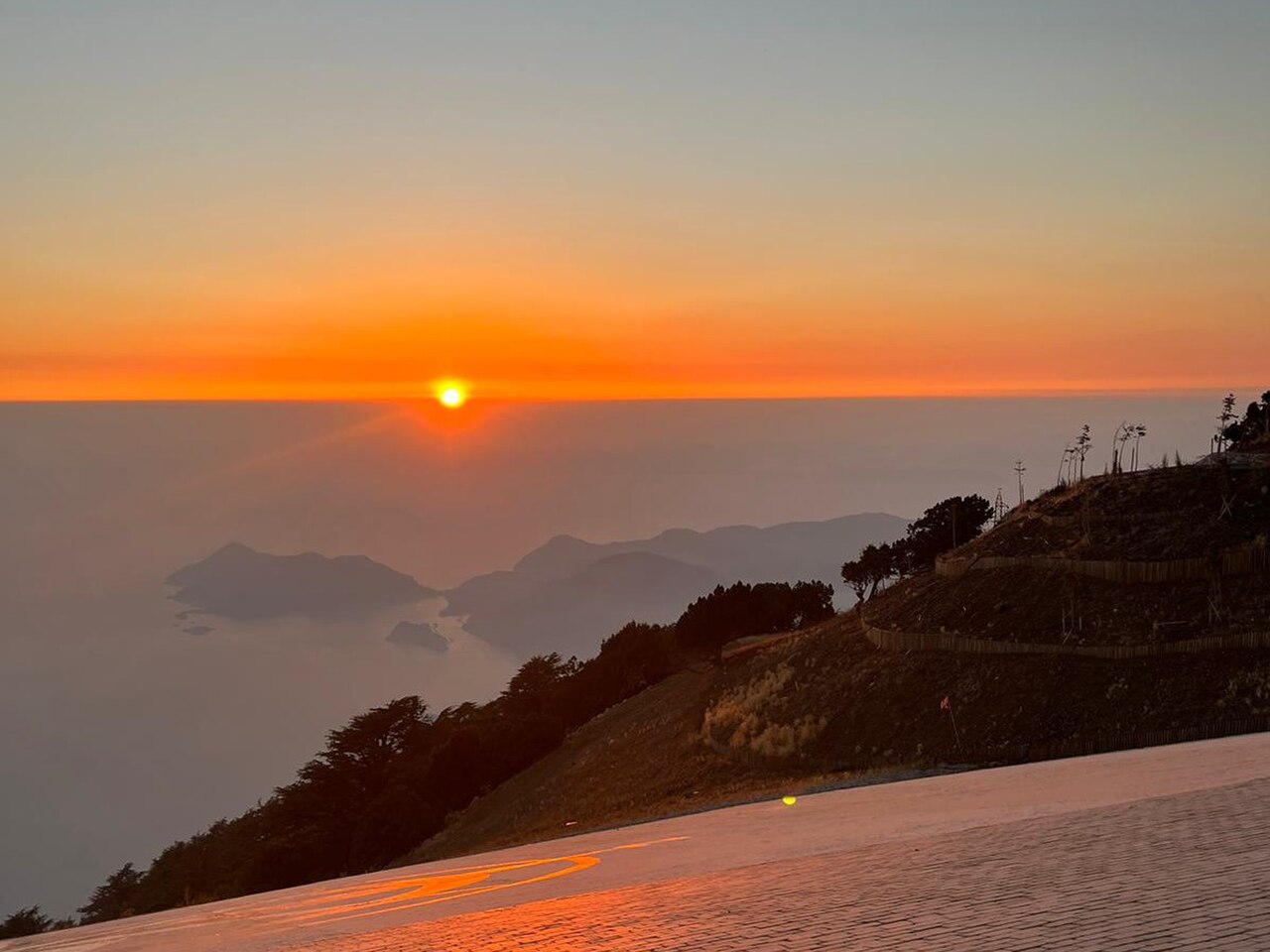
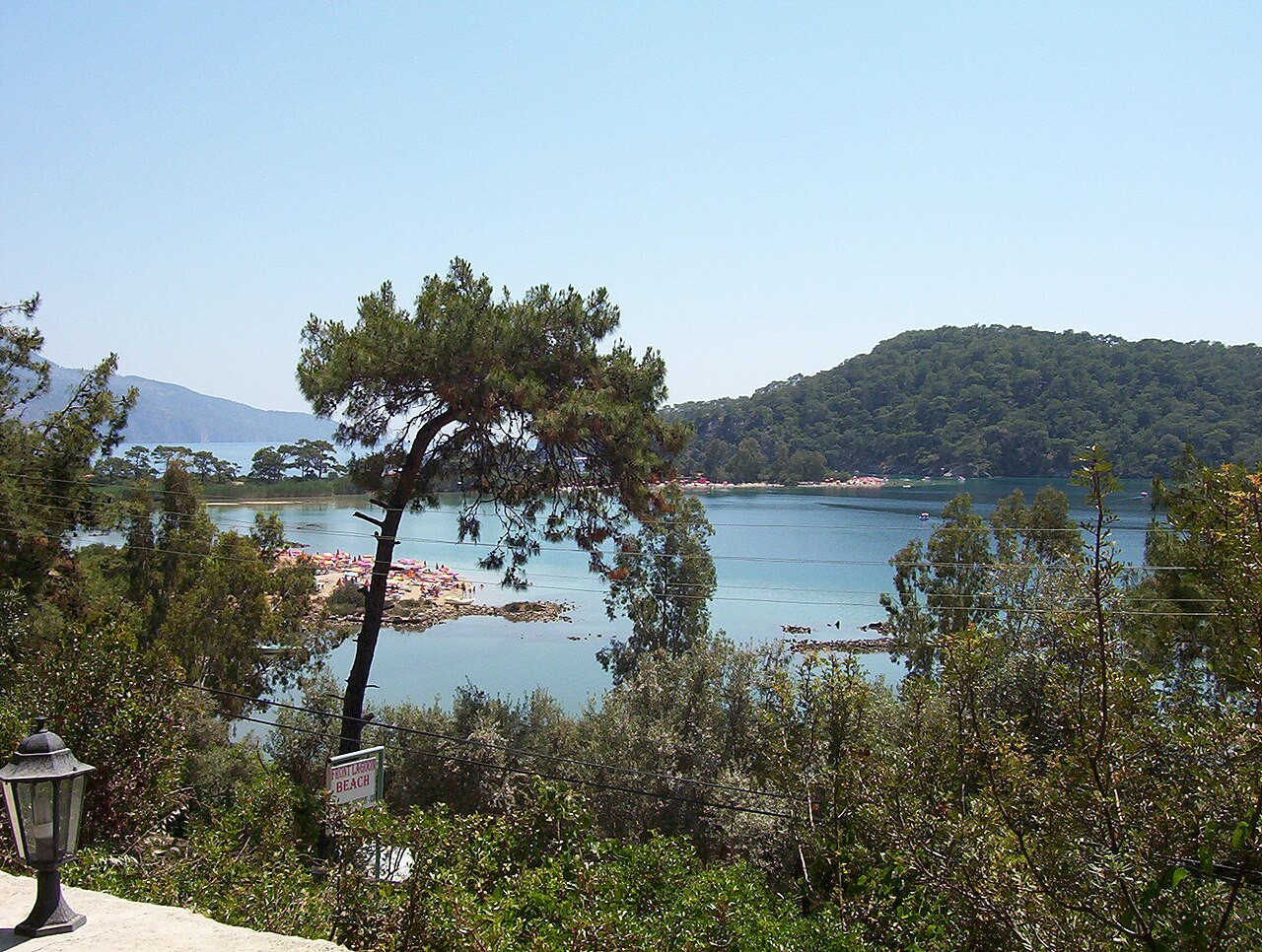
Ölüdeniz (Blue Lagoon)
Turkey’s most photographed shore: a waveless turquoise lagoon, Belcekız beach and paragliders drifting down from Babadağ — a natural masterpiece.
Details →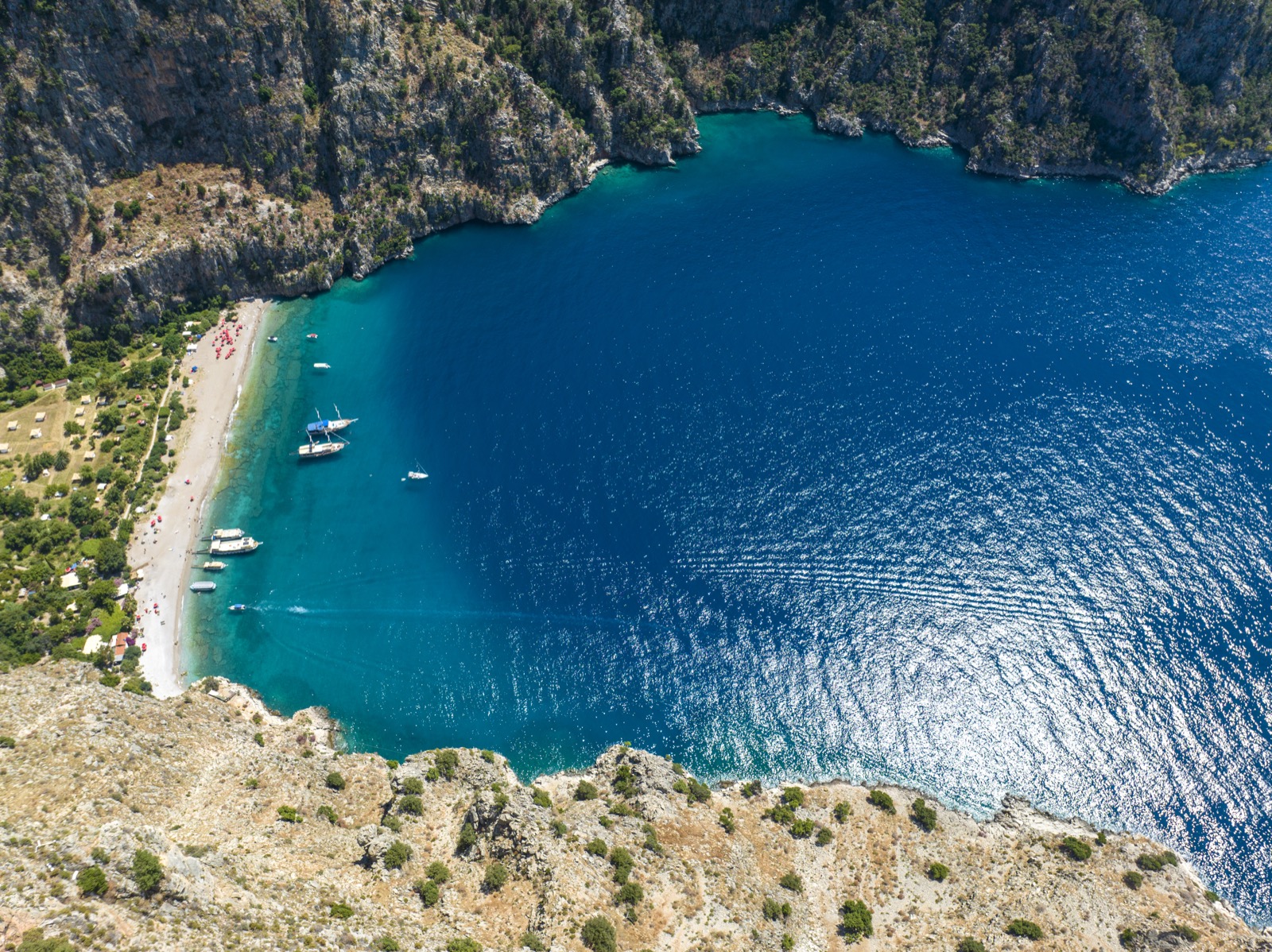
Butterfly Valley
Hidden between sheer cliffs, reached only by boat or a steep path — an untouched paradise home to dozens of butterfly species.
Details →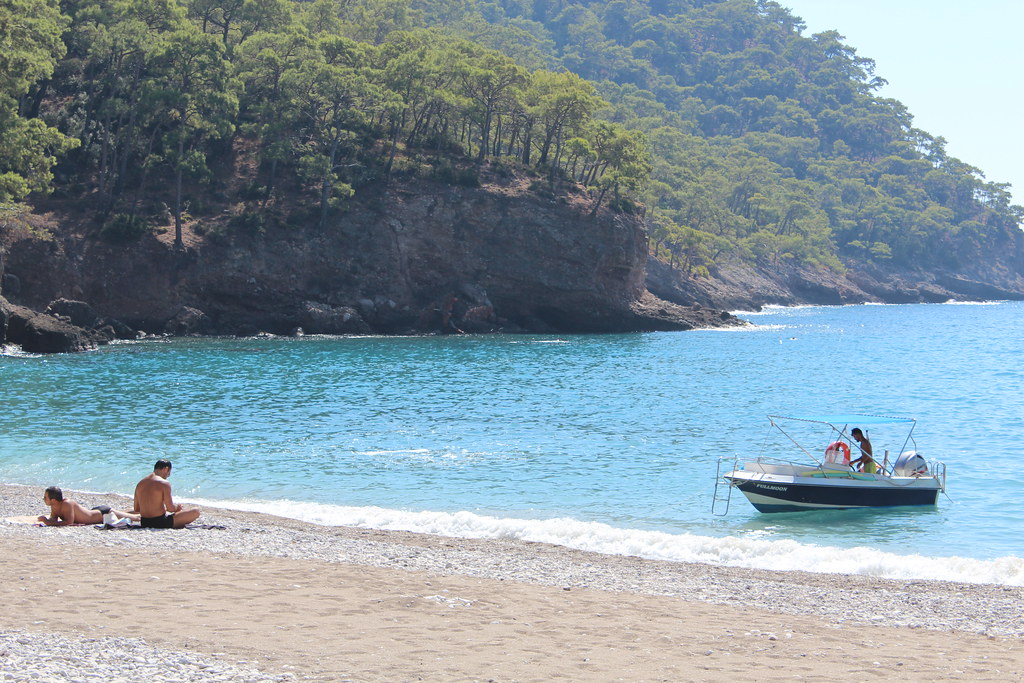
Lycia’s first great cities, and Saklıkent
Tlos (245 km) and Pınara (250 km) are the most striking ancient cities of this band. Tlos is built on top of a rock mass and is famous for its rock-cut Lycian tombs and the relief of the legendary hero Bellerophon. Pınara is one of Lycia’s largest and quietest cities, where an immense rock face is punctured by hundreds of tomb niches like a honeycomb.
Let us be exact about UNESCO: Tlos and Pınara are not UNESCO World Heritage Sites. Both have been on Türkiye’s UNESCO Tentative List since 2009, as part of the “Ancient Cities of Lycian Civilization” nomination — that is, official candidates, not inscribed. Xanthos–Letoon, which we reach in the next article, genuinely is inscribed. Do not confuse the two.
Kadyanda (235 km) is a Lycian city hidden in pine forest at a thousand metres above Üzümlü; with its rare ancient stadium and views over the plain, it is almost always empty. Saklıkent Gorge (250 km) is one of Türkiye’s most spectacular canyons, where icy water runs between rock walls hundreds of metres high — you cannot go far without getting into the water, so proper footwear is essential.
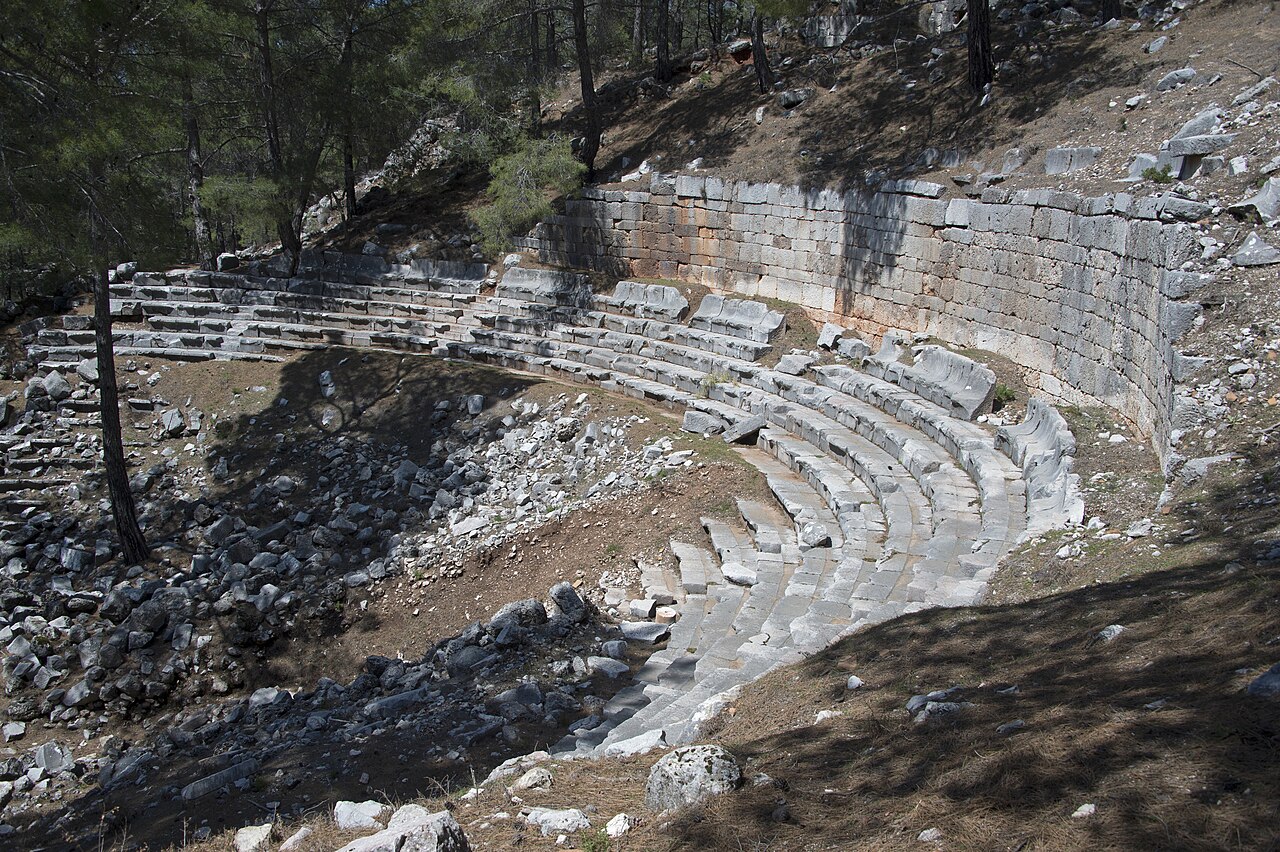
Kadyanda Ancient City
A Lycian city hidden in pine forest a thousand metres above Üzümlü — with a rare ancient stadium and sweeping plain views.
Details →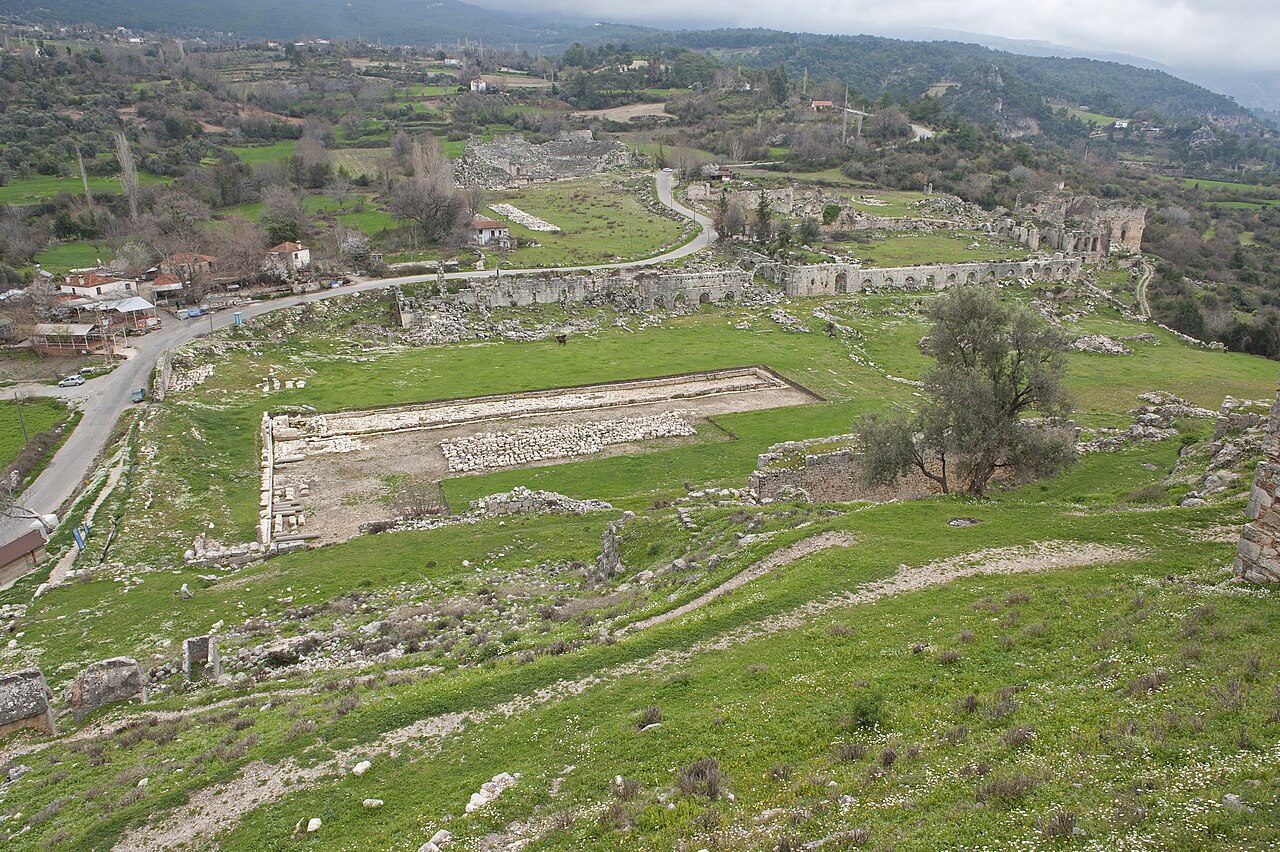
Tlos Ancient City
Set atop a rocky bluff, an ancient Lycian city famed for its rock-cut tombs and the relief of the legendary hero Bellerophon.
Details →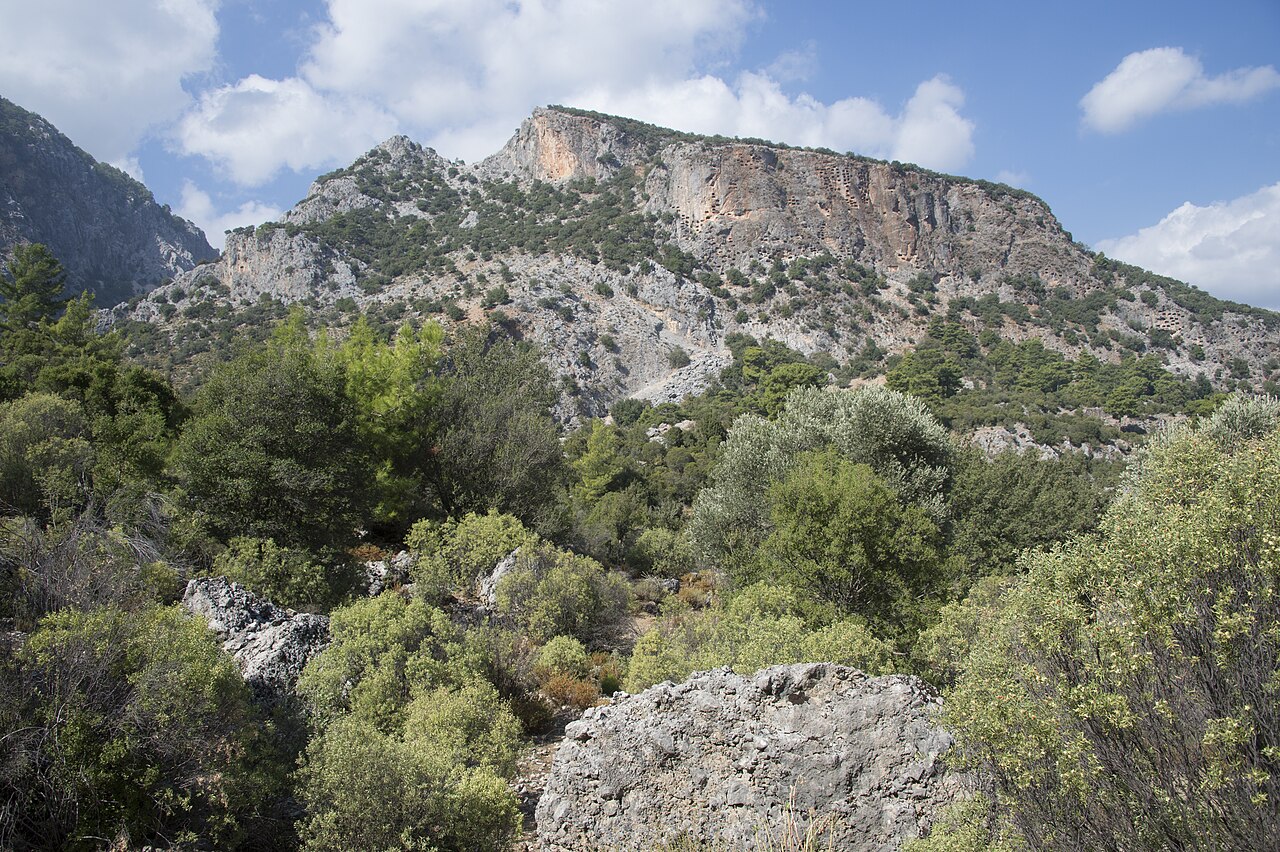
Pınara Ancient City
The face of a vast rock riddled with hundreds of tomb niches like a honeycomb — one of Lycia’s largest and quietest cities.
Details →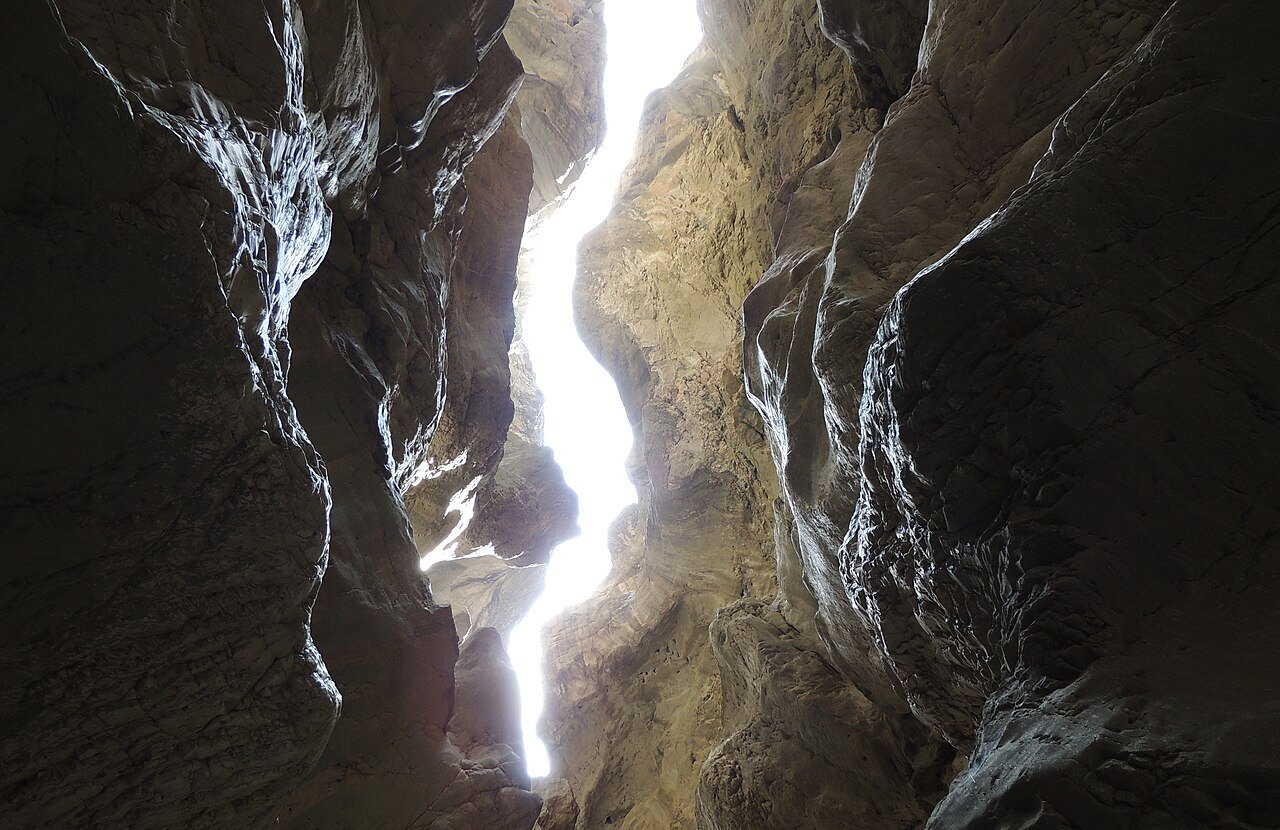
Saklıkent Gorge
Ice-cold water rushing between rock walls rising hundreds of metres — one of Turkey’s deepest and most spectacular gorges.
Details →Realistic routes: stay a night
- Fethiye–Ölüdeniz (at least one night, ideally two): Fethiye is roughly 3.5–4 hours from Bodrum by road. Day 1: Fethiye via Göcek, the rock tombs, the gulf in the evening. Day 2: Ölüdeniz plus the Babadağ cable car, or Butterfly Valley by boat. Day 3: Kayaköy and the drive back.
- A day of Lycian cities (based in Fethiye): Tlos → Saklıkent → Pınara lie along the same valley and fit comfortably into one day. Bring a change of clothes for the gorge.
- Kadyanda (half a day): the road up to Üzümlü is narrow; go in the cool of the morning, as the site has little shade.
- Kabak and Butterfly Valley: give each its own day within a Fethiye itinerary; they are not “on the way” to anything.
- If you insist on a single day: go no further than Göcek. Beyond Fethiye, a day trip turns into a driving day, not a visit.
Short notes
- UNESCO accuracy: Tlos (2009) and Pınara (2009) in this band are on the Tentative List — candidates, not inscribed. There is no inscribed World Heritage Site in this ring: Efes, Afrodisias and Pamukkale are in the previous band, Xanthos–Letoon in the next.
- Fees: the Fethiye rock tombs, Kayaköy, Ölüdeniz (nature park entry), Babadağ, Butterfly Valley, Tlos, Pınara and Saklıkent charge admission. Göcek, Kabak Bay and Kadyanda are free. Current prices and hours change; check before you set off.
- Babadağ: the summit depends on the wind. The cable car and paragliding can close in poor conditions; do not build a whole day around it alone.
- The road: the entire Fethiye route is mountain road. Do not plan to drive back in the dark, and expect heavier traffic on summer evenings.
What comes next?
Open the arc to 300 km and the heart of Lycia — Xanthos, Letoon and Patara — comes in, along with the Denizli side. The final article in the series: Places to Visit Within 300 km of Bodrum. To see the whole list sorted by distance, visit our places to visit page.
Sources
- UNESCO Dünya Mirası Merkezi — Ancient Cities of Lycian Civilization (Geçici Liste, ref. 5408, 2009; Tlos ve Pınara dahil)
- Göcek & 12 Adalar — Göcek — Jorge Franganillo (CC BY-SA 4.0) (CC BY-SA 4.0)
- Fethiye Kaya Mezarları (Amyntas) — Amyntas Kaya Mezarı, Fethiye — Dosseman (CC BY-SA 4.0) (CC BY-SA 4.0)
- Kayaköy (Hayalet Köy) — Kayaköy hayalet köy — Nikodem Nijaki (CC BY-SA 3.0) (CC BY-SA 3.0)
- Babadağ — Babadağ, Fethiye (gün batımı) — Harald the Bard (CC BY-SA 4.0) (CC BY-SA 4.0)
- Ölüdeniz (Mavi Lagün) — Ölüdeniz Mavi Lagün — Jongleur100 (Public domain) (Public domain)
- Kelebekler Vadisi — Görsel: “Butterfly Valley / Kelebekler Vadisi, Ölüdeniz — aerial” · esindeniz — Envato Elements (ticari lisans) (Envato Elements ticari lisans · artemisbodrum.com · kod JDL2FAGB46)
- Kabak Koyu — Görsel: “Kabak Beach” — Borya (Flickr, CC BY-SA 2.0) (CC BY-SA 2.0)
- Kadyanda Antik Kenti — Kadyanda tiyatrosu — Dosseman (CC BY-SA 4.0) (CC BY-SA 4.0)
- Tlos Antik Kenti — Tlos genel görünüm — Dosseman (CC BY-SA 4.0) (CC BY-SA 4.0)
- Pınara Antik Kenti — Pınara genel görünüm — Dosseman (CC BY-SA 4.0) (CC BY-SA 4.0)
- Saklıkent Kanyonu — Saklıkent Kanyonu — angelius1979 (CC BY-SA 3.0) (CC BY-SA 3.0)
 Artemis Bodrum